 Call Us : 08045479551Call Us : 08045479551
 English
 Spanish
 French
 German
 Italian
 Chinese (Simplified)
 Japanese
 Korean
 Arabic
 Portuguese

 Send Inquiry
Steel Binding Wire
MOQ : 1 Kilograms
Steel Binding Wire Specification
- Product Type
- Binding Wire
- Material
- Mild Steel
- Usage
- Construction, Tying and Binding Reinforcement Bars
- Application
- Industrial and Construction Sites
- Size
- 1 mm to 5 mm or as required
- Weight
- As per coil (customized)
- Color
- Grey/Black
- Tensile Strength
- 350-550 MPa
- Capacity
- High Strength Binding
- Feature
- High durability, Corrosion resistant, Flexible
- Production Technique
- Hot Rolled / Cold Drawn
- Surface Finish
- Annealed or Galvanized
- Hardness
- Soft / Medium as per application
- Wire Gauge
- 16 SWG to 22 SWG
- Packaging Type
- Rolls or Bundles
- Standard
- IS 280 or Equivalent
- Coil Weight
- 20 kg to 50 kg
- Elongation
- 10% - 12%
Steel Binding Wire Trade Information
- Minimum Order Quantity
- 1 Kilograms
- Supply Ability
- Kilograms
- Delivery Time
- 1-2 Days
- Sample Available
- Yes
- Sample Policy
- Contact us for information regarding our sample policy
- Packaging Details
- DEPEND ON PRODUCT
- Main Domestic Market
- All India
About Steel Binding Wire
We are offering Binding Wire that is generally used for binding materials in an efficient manner. It is made by using the fine grade metal that has high tensile strength and optimum flexibility. Rust resistance, lightweight, highly durable, easy to use or more flexible are some of the exceptional feature of this product. Provided product is widely demanded for several industrial applications. In addition to this, our valuable customers can buy this Binding Wire from us in different lengths that are perfectly matched with their needs.
Superior Strength and Reliability
Engineered for high-capacity binding, steel binding wire features a tensile strength of 350550 MPa. This guarantees secure reinforcement, supporting demanding construction applications and industrial usage where reliability is paramount. Its flexible, soft to medium hardness allows precise control during usage without compromising strength.
Corrosion Resistance for Longevity
Galvanized or annealed surface finishing ensures the wire stands up to harsh environments. This protective layer dramatically enhances corrosion resistance, making it ideally suited for outdoor applications on industrial and construction sites. Such longevity minimizes maintenance and replacement costs in the long term.
FAQs of Steel Binding Wire:
Q: How is steel binding wire used in construction sites?
A: Steel binding wire is typically employed to tie and secure reinforcement bars during the construction of buildings and infrastructure, ensuring stability and structural integrity. Its flexibility and soft or medium hardness facilitate easy handling and strong binding.Q: What is the difference between the annealed and galvanized surface finishes?
A: Annealed steel binding wire offers softness and ease of bending, ideal for intricate tying jobs, whereas galvanized wire provides superior corrosion resistance, suited for outdoor and damp environments where long-term durability is essential.Q: When should you choose a specific wire gauge such as 16 SWG or 22 SWG?
A: The wire gauge selection depends on the applications strength and flexibility requirements. Thicker gauges (like 16 SWG) offer greater strength for heavy-duty binding, while thinner gauges (such as 22 SWG) are suitable for lighter, more precise tasks.Q: Where can steel binding wire be supplied and distributed in India?
A: Steel binding wire is available nationwide through authorized distributors, suppliers, traders, and wholesalers, making it accessible to construction sites and industrial projects across urban and rural regions.Q: What is the production process for steel binding wire?
A: Steel binding wire is manufactured using hot rolled or cold drawn techniques, followed by surface finishingeither annealing to achieve softness or galvanization for corrosion resistance. This ensures the wire meets both mechanical and durability requirements.Q: Why is high elongation and tensile strength beneficial for binding wire?
A: High elongation (10%12%) allows the wire to stretch without breaking during application, while tensile strength (350-550 MPa) guarantees effective binding and secure reinforcement, reducing the risk of structural failure in demanding conditions.Q: How does using steel binding wire benefit industrial and construction applications?
A: Steel binding wire offers high durability, flexibility, and resistance to corrosion, which streamlines construction processes, provides reliable binding of materials, and stands up to challenging on-site environmentsenhancing safety and efficiency.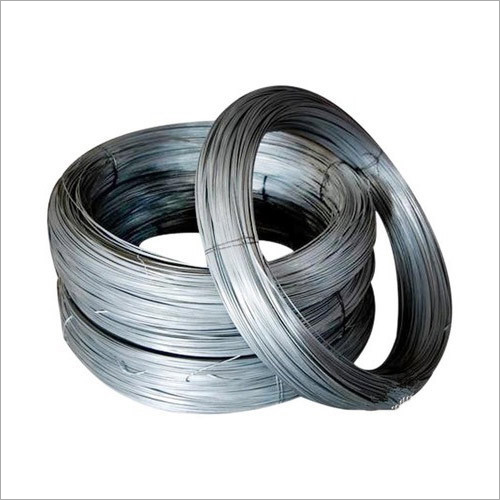
Tell us about your requirement

Price:
Quantity
Select Unit
- 50
- 100
- 200
- 250
- 500
- 1000+
Additional detail
Mobile number
Email

More Products in Binding Wire Category
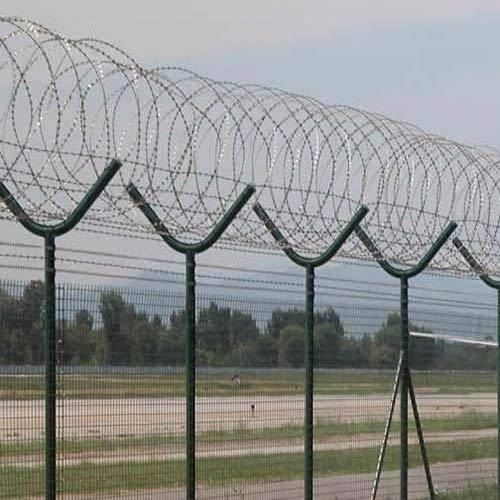
Concertina Wire
Price 49 INR
Minimum Order Quantity : 30 Kilograms
Size : Diameter 450 mm to 1050 mm; Coil Length 6 m 10 m (customizable)
Application : Residential, Commercial, Industrial, Military Zones, Border Security
Usage : Security Fencing, Boundary Protection
Material : Galvanized Iron, Stainless Steel

Address
GST : 09ADAFS9612D2Z3
- Shop No.- 26, Agarshain Vatika, Loha Mandi, Opp. Flyover, G.T. Road,Ghaziabad - 201009, Uttar Pradesh, India
- Phone :08045479551
- Send Inquiry
 Send Inquiry
 Send Inquiry
 Send SMS
 |
SHIVAM ENTERPRISES
All Rights Reserved.(Terms of Use) Developed and Managed by Infocom Network Private Limited. |
